Quick Summary
- A fridge + TV + Wi-Fi + lights essentials circuit needs roughly 3kVA of inverter/generator capacity; add a borehole pump and you need 5kVA+.
- Petrol generators cost KES 15K–75K upfront but burn KES 8K–15K/month in fuel on nightly duty — solar hybrid systems (KES 150K–500K) pay back in 2–4 years of regular outages.
- The Growatt SPF 5000 ES (KES 95K–100K) is Kenya's default 5kW hybrid; pair it with a 48V lithium bank rather than four gel batteries where budget allows.
- A KES 8K–22K UPS is the cheapest insurance for electronics — but it stores minutes of power, not hours.
- Net metering exists (50% export credit, 1MW cap) but requires a formal KPLC agreement — unauthorised grid export is now billed as 'dumping'.
Step 1: Calculate your real load before buying anything
The most expensive backup power mistake in Kenya is buying by vibes. Walk through the house and list what must stay on during an outage, then read the wattage label on each appliance. Two numbers matter: running watts and startup surge (motors and compressors need 3–6x their running power for a second or two).
| Appliance | Running watts | Surge | Kenya notes |
|---|---|---|---|
| LED bulbs (8–10W each) | ~50–100W total | None | Size by count; 10 bulbs ≈ 100W |
| Fridge (180–300L) | 100–250W running | 3–5x on compressor start | Cycles on/off; allow ~800W headroom for startup |
| TV (32–55") + decoder | 60–200W | Minor | Add router/Wi-Fi (~15W) for internet during outages |
| Laptop + phone charging | 45–100W | None | Working-from-home essential load |
| Borehole/water pump (0.5–1.5hp) | 375W–1,100W | 3–6x startup surge | The load that breaks small systems — needs real headroom |
| Electric shower/kettle/iron | 1,500–3,000W | None (resistive) | Exclude from backup circuits; they eat batteries alive |
| Microwave | 1,000–1,500W | High inrush | Usable on 3kVA+ systems; avoid on small setups |
| CCTV + alarm + gate motor | 30–80W | Gate motor surge ~500W | Keep on battery-backed circuits for security |
Worked example A — fridge (250W), TV+decoder (150W), Wi-Fi (15W), 10 LED bulbs (100W), laptop (65W): ~580W running, ~1,000W worst-case with fridge startup. A 1.5–3kVA unit covers it with headroom. Worked example B — add a 1.5hp borehole pump (1,100W, ~5,000W surge): now you need 5kVA+ and a hard look at whether the pump should live on a separate circuit or run only when the generator is on.
Energy (kWh) matters as much as power (kW) for solar sizing: that 580W essentials circuit running 5 evening hours uses ~2.9kWh — about what a single 200Ah 12V battery delivers at 50% discharge. That is why one battery is never enough.
Generators: the instant-gratification option
Generators remain the fastest fix: buy, fuel, pull-start. Aico ('Japan technology' Chinese-built) dominates the budget shelf on Jumia; Loncin and Firman are the step-up brands with proper engines and electric start; silent diesel canopies serve estates and businesses where noise bylaws bite.
| Model | Output | Best for | KES range |
|---|---|---|---|
| Aico AC2000DC (1.0kVA petrol) | 900W rated / 1,000W peak | Lights, TV, Wi-Fi, phone/laptop charging, small fridge | KES 15,000 – 20,000 |
| Aico LT2000CL / LT2500CL (1.2–3kVA petrol) | 1,000–2,500W | Full home essentials minus heating loads | KES 18,000 – 29,000 |
| Loncin LC3500 / LC6500 petrol | 2.8–5kW | Fridge + pump + essentials; LC-series engines are fundi-friendly | KES 35,000 – 75,000 (est.) |
| Firman SPG3800E2 (petrol, electric start) | ~2.8–3kW rated | Serious home backup: fridge, pump, entertainment; key start | KES 45,000 – 65,000 (est.) |
| Silent diesel 3–5kVA (Kipor-type canopy) | 2.5–4kW | Apartments and estates where noise rules apply; long runtime | KES 150,000 – 280,000 (est.) |
| Silent diesel 6–10kVA (Perkins/Lovol-type) | 5–8kW | Whole house incl. pump, or small business/school loads | KES 280,000 – 500,000 (est.) |
Portable petrol generators — the fastest outage fix, at the highest per-kWh cost (Wikimedia Commons)

Running-cost reality: a 3kVA petrol generator at half load drinks roughly 0.7–1 litre/hour — at ~KES 180–200/litre, that is KES 500–800 per evening. Diesel silent units use ~30% less fuel and last 3–4x longer between rebuilds, which is why businesses still buy them. Budget oil changes every 50–100 hours (KES 1.5K–4K) and never run a generator indoors or under a window — carbon monoxide has killed Kenyan families during long outages.
Solar hybrid systems: components and real prices
A Kenyan solar backup system is three things: panels to harvest, a hybrid inverter to convert and manage, and batteries to store. The Growatt SPF 5000 ES has become the de-facto 5kW standard — its 100A MPPT accepts up to 6,000W of panels and it can run with or without batteries, a genuinely useful trick while you save for storage.
| Component | Spec | KES range |
|---|---|---|
| Jinko / Canadian Solar 550W mono panel | Half-cut mono PERC, 21%+ efficiency, 25-yr output warranty | KES 13,000 – 18,000 per panel (est.) |
| Growatt SPF 5000 ES hybrid inverter | 5kW/48V, 100A MPPT, 6000W PV max, works with or without battery | KES 95,000 – 100,000 |
| Must / SRNE hybrid inverters (3–5kW) | Budget hybrids, MPPT built in, 24V or 48V | KES 45,000 – 90,000 (est.) |
| Ritar DG12-200 gel battery (12V 200Ah) | Deep-cycle gel, ~2.4kWh nominal, ~600 cycles at 50% DoD | KES 26,000 – 36,000 |
| Lithium LiFePO4 48V 100Ah (5kWh) | 3,000–6,000 cycles, 90%+ usable capacity, 10-yr life | KES 95,000 – 160,000 (est.) |
| MPPT charge controller (standalone 40–60A) | For non-hybrid builds; MPPT harvests ~25% more than PWM | KES 6,000 – 25,000 |
| Mounting rails, cabling, breakers, changeover | DC/AC isolators, SPD surge protection, earthing | KES 15,000 – 45,000 per install (est.) |
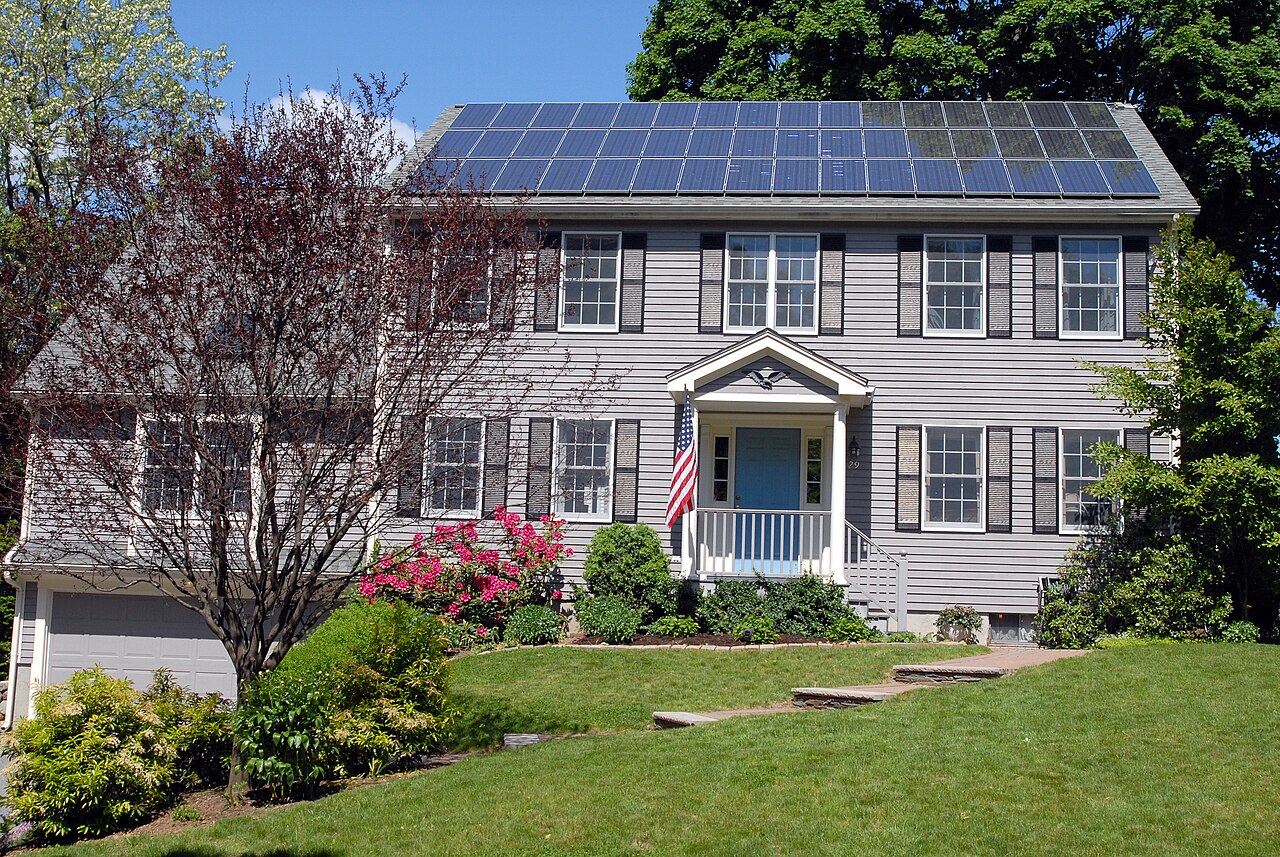
Rooftop PV panels — a 550W module produces ~2–2.5kWh on a good Kenyan day (Wikimedia Commons)

Gel vs lithium is the decision that defines the budget. Four Ritar DG12-200 gel batteries (48V 200Ah, ~KES 104K–144K) give ~4.8kWh usable at 50% depth-of-discharge and last 2–4 years in daily cycling. A single 48V 100Ah lithium pack (~KES 95K–160K) delivers similar usable energy at 90% DoD and survives 8–12 years — nearly always the better long-term buy. Beware of 'lithium' batteries at implausibly low prices; fake capacity cells are the solar market's counterfeit of choice.
UPS units: minutes of power, instant protection
A UPS is not backup power — it is the bridge that keeps your router, decoder or PC alive through Kenya Power's 30-second brownouts and gives you time to start the generator. Every hybrid inverter has a built-in transfer switch; a standalone UPS fills that role for the everything-else circuit.
| Model | Capacity | Best for | KES range |
|---|---|---|---|
| APC BV650I-MS (650VA) | ~360W | Router + decoder + laptop; 5–15 min runtime | KES 8,500 – 10,500 |
| APC BVX700LUI-MS (700VA Easy UPS) | 360W, AVR + USB port | Desktop PC or TV + decoder protection | KES 11,000 – 13,400 |
| Mercury 1200VA | ~720W | Budget pick for PC/monitor or entertainment stack | KES 8,000 – 12,000 (est.) |
| APC BVX1200LI-MS (1200VA) | 650W, AVR, 4 universal outlets | Workstation + peripherals, small server/cabinet | KES 18,000 – 22,000 |
Insist on AVR (automatic voltage regulation) — Kenyan voltage swings between 180V and 260V in some areas, and AVR conditions it before it touches your TV. UPS batteries last 2–3 years and are replaceable (~KES 1.5K–4K); a 'dead UPS' is usually just a dead battery.
Solar water heaters and street lights: the other solar wins
Water heating eats roughly 30% of a Kenyan home electricity bill, and EPRA requires solar water heating for buildings using over 100 litres of hot water daily — new constructions and renovations get inspected. It is one of the few regulations that saves you money.
| Item | Spec | KES range |
|---|---|---|
| Non-pressurized solar water heater 150L | Evacuated tubes, galvanized/stainless tank, gravity feed | KES 65,000 – 70,000 |
| Non-pressurized 200L / 300L | Family-size; stainless tanks cost ~KES 4K more | KES 88,000 – 115,000 |
| Pressurized 200L / 300L | Works with pressure pumps; SS304 inner tank, electric backup option | KES 120,000 – 155,000 |
| Premium pressurized (Chromagen/Bosch class) | Hotels, schools, apartments; longer warranties | KES 190,000 – 270,000 |
| All-in-one solar street lights (60–200W equiv.) | Panel + battery + LED + sensor in one head; zero wiring | KES 4,500 – 25,000 (est.) |
A 200L system saves roughly KES 3,000/month versus an electric instant shower or cylinder — payback in about 3 years. Go stainless steel over galvanized, and pressurized if you use instant showers or a booster pump. All-in-one solar street lights (panel+battery+LED in one head) are meanwhile the cheapest security upgrade for compounds, farm gates and upcountry plots — no wiring, no KPLC dependency.
Four budget tiers, sized for real loads
| Budget | Suggested setup | What it covers |
|---|---|---|
| ~KES 30,000 | Aico AC2000DC 1kVA petrol generator (~KES 18K) + APC 650VA UPS (~KES 9K) + cables | Lights, TV, Wi-Fi and charging through outages; UPS bridges the gap while you pull-start the genny |
| ~KES 80,000 | Firman/Loncin 2.8–3kVA petrol generator + manual changeover switch + UPS for electronics | Whole essential home incl. fridge and a small pump; ~KES 400–700 of petrol per evening of use |
| ~KES 200,000 | 3kW hybrid inverter (Must/Growatt SPF 3500 ES class) + 4× 550W panels + 2× 200Ah gel batteries | Daily-cycling essentials circuit — lights, fridge, TV, Wi-Fi — mostly silent; grid and genny as backup |
| ~KES 500,000 | Growatt SPF 5000 ES + 6–8× 550W panels + 48V 100Ah lithium bank, or a 8–10kVA silent diesel | Near-whole-home solar (minus heating loads) with multi-day autonomy, or heavy-duty generator backup |
Installation note: insist on a licensed electrician or EPRA-recognised solar technician, a proper changeover/ATS switch so generator and grid can never meet, and earthing plus surge protection — Nairobi lightning season kills more inverters than defects do.
Which route fits your situation?
Petrol generator route
Cheapest entry and zero planning needed — fuel at any station. But petrol at ~KES 180–200/litre means a 3kVA genny running 4 hours nightly costs KES 8K–15K per month in fuel, plus oil changes every 50–100 hours. Great for occasional outages, punishing for daily use.
Inverter + battery route
A hybrid inverter with a gel or lithium bank silently carries essentials and recharges from grid when power returns. No fuel, no noise, instant switchover. The catch: batteries are the consumable — gel banks last 2–4 years, lithium 8–12.
Full solar hybrid route
Panels + hybrid inverter + battery is the endgame: near-zero running cost, silent, and immune to fuel price swings. Payback vs a generator is typically 2–4 years of daily use. Needs roof space and a competent installer — a badly wired system kills batteries early.
UPS-only route
If outages are short (under an hour) and your loads are electronics only, a KES 8K–22K UPS does the whole job — instant, silent, maintenance-light. It stores minutes of power, not hours; pair with a generator or inverter for real outages.
Kenya Power reality and the net-metering fine print
Outages in Kenya are uneven: some Nairobi estates lose power weekly while rural feeders can drop for days after storms. Design for your reality — if outages are under 2 hours and weekly, an inverter-battery setup alone suffices; if you face day-long cuts, solar generation becomes the only sane fuel source.
On selling power back: the Energy (Net-Metering) Regulations 2024 allow systems up to 1MW to earn a 50%-of-exported-energy bill credit — but only with a signed KPLC agreement, a bidirectional meter and an EPRA-licensed install. In 2026 EPRA formalised 'dumping' charges for unauthorised grid export, effective retroactively to July 2025. Translation: do not wire a grid-tie inverter to export without paperwork — you will be billed for the power you give away.
What should you buy?
Bedsitter / apartment (lights, TV, Wi-Fi)
APC BV650I or BVX700LUI UPS plus a 1kVA generator banished to the balcony during outages — or a 400–800W plug-and-play solar kit. Total KES 25K–45K.
Family home (fridge, pump, entertainment)
Hybrid 3–5kW inverter with 2–4 panels and 200Ah+ storage at KES 150K–300K pays for itself versus generator fuel in under 3 years of regular outages. Keep a 2.8kVA petrol genny as the rainy-week backstop.
Business / farm / borehole
Size for the pump's startup surge first — a 1.5hp pump needs ~5kVA of inverter/generator headroom. Silent diesel 8–10kVA or a Growatt-based 5kW solar hybrid with lithium are the two defensible choices.
Checklist before you commit
- Write down your essential loads and their watts — sizing without this list is guesswork that costs batteries.
- Exclude heating loads (instant showers, kettles, irons) from backup circuits — they are why 'the inverter can't power my house' stories exist.
- For solar, match battery voltage to the inverter (48V on the SPF 5000 ES means four 12V batteries in series or one 48V lithium).
- Demand itemised quotes: panel wattage and brand, inverter model, battery type/capacity, cabling, breakers and labour — '3kW solar system KES 150K' quotes hide everything.
- Verify warranty terms in writing; reputable Kenyan solar shops offer 1–2 years on inverters and 6–12 months on gel batteries.
- If grid-tied, get the net-metering agreement and bidirectional meter sorted before the inverter ever exports.
- Buy from suppliers with a physical address and service record — solar gear is worthless when the warranty seller vanishes.
FAQs
Is solar or a generator cheaper for backup power in Kenya?
Upfront, a generator wins — a 3kVA petrol unit costs KES 45K–75K versus KES 150K+ for an equivalent solar-plus-battery setup. Over 2–4 years of regular use, solar wins on running costs: a generator burns KES 8K–15K of petrol monthly on nightly duty, while solar's 'fuel' is free. Battery replacement every 3–10 years is solar's main recurring cost.
What size inverter do I need for a fridge, TV and lights?
A 3kVA (2.4–3kW) inverter handles a typical essentials circuit comfortably: fridge (250W running, ~800W start surge), TV+decoder (~150W), 10 LED bulbs (~100W) and charging (~100W). Size for the fridge's startup surge, not its running watts — that's the mistake that makes cheap 1kVA inverters trip.
How much does a Growatt SPF 5000 ES cost in Kenya?
As of 2026, the Growatt SPF 5000 ES 5kW 48V hybrid inverter retails between KES 95,000 and KES 100,000 from Kenyan solar suppliers (Multline, Solar Store EA, Solar Shop, Kego). It includes a 100A MPPT controller, accepts up to 6,000W of PV, and can run with or without a battery bank.
How much is a 200Ah solar battery in Kenya?
A Ritar DG12-200/DC12-200 12V 200Ah deep-cycle gel battery sells for roughly KES 26,000–36,000 in 2026 (Jumax, Juval and solar shops). Gel batteries need four units for a 48V 5kW system — compare that ~KES 104K–144K against a single 48V 100Ah lithium at KES 95K–160K which offers far more cycles and usable capacity.
Can I sell solar power back to Kenya Power?
Yes, under the Energy (Net-Metering) Regulations 2024: approved systems up to 1MW earn an export credit of 50% of exported energy, applied as a bill credit. It requires a bidirectional meter, an EPRA-licensed installer and a signed agreement with KPLC. Critically, EPRA now classifies unauthorised export as 'dumping' billed at base tariff — so a grid-tied inverter without the agreement can cost you money, not earn it.
Do I need a solar water heater in Kenya?
If you're building or renovating, effectively yes — EPRA regulations require solar water heating for premises using over 100 litres of hot water daily, with non-compliance attracting penalties. Financially it also pays: water heating is ~30% of a home's electricity use, and a KES 88K–120K 200L system saves roughly KES 3,000 monthly, paying back in about 3 years.
Sources
- Multline Autosystems — Growatt SPF 5000 ES specs and pricing
- Solar Shop Kenya — Growatt SPF 5000 ES datasheet and price
- Jumax Kenya — Ritar 200Ah deep-cycle gel battery pricing
- Jumia Kenya — Aico AC2000DC 1kVA petrol generator specs
- TDK Networks — APC UPS models and prices in Kenya
- Solar Water Heater Kenya — non-pressurized system price list
- Techwin — pressurized solar water heater specs and pricing
- pv magazine — Kenya net-metering credit and solar export ('dumping') rules