Quick Summary
- Four current models: iPad (A16, from $349), iPad Air M4 (from $599 / $799 for 13"), iPad Pro M5 (from $999 / $1,299), iPad mini A17 Pro (from $499).
- Best for most Kenyan buyers: the iPad (A16). Best long-term value: iPad Air M4 with 12GB RAM and Apple Intelligence.
- The A16 iPad is the only current model that does NOT support Apple Intelligence.
- Cellular models are eSIM-only and cost ~$150 more — hotspot from your phone unless you truly need built-in data.
- Used iPads are excellent value in Nairobi, but verify Activation Lock, battery, and screen before paying.
The 2026 iPad lineup at a glance
As of October 2026 this is the complete current lineup. US prices are Apple's official list prices; Kenyan prices are estimates based on typical Nairobi retail markups (import duty, VAT, and margin) — always confirm the live price before buying.
| Model | Launched | Display | Chip | RAM | Storage | US Price | Kenya (est.) |
|---|---|---|---|---|---|---|---|
| iPad (A16, 11th gen) | March 2025 | 11" Liquid Retina LCD, 2360×1640, 500 nits, 60Hz | A16 (5-core CPU, 4-core GPU) | — | 128GB / 256GB / 512GB | From $349 | Est. KES 48,000–62,000 |
| iPad Air 11" (M4) | March 2026 | 11" Liquid Retina LCD, 2360×1640, P3, 500 nits | M4 (8-core CPU, 9-core GPU) | 12GB | 128GB / 256GB / 512GB / 1TB | From $599 | Est. KES 85,000–105,000 |
| iPad Air 13" (M4) | March 2026 | 13" Liquid Retina LCD, 2732×2048, P3, 600 nits | M4 (8-core CPU, 9-core GPU) | 12GB | 128GB / 256GB / 512GB / 1TB | From $799 | Est. KES 115,000–138,000 |
| iPad Pro 11" (M5) | October 2025 | 11.1" Ultra Retina XDR Tandem OLED, 120Hz ProMotion | M5 (9- or 10-core CPU, 10-core GPU) | 12GB (256/512GB) · 16GB (1/2TB) | 256GB / 512GB / 1TB / 2TB | From $999 | Est. KES 155,000–185,000 |
| iPad Pro 13" (M5) | October 2025 | 13" Ultra Retina XDR Tandem OLED, 120Hz ProMotion | M5 (9- or 10-core CPU, 10-core GPU) | 12GB (256/512GB) · 16GB (1/2TB) | 256GB / 512GB / 1TB / 2TB | From $1,299 | Est. KES 200,000–235,000 |
| iPad mini (A17 Pro) | October 2024 | 8.3" Liquid Retina LCD, 2266×1488, 326 ppi, 500 nits | A17 Pro (6-core CPU, 5-core GPU) | 8GB | 128GB / 256GB / 512GB | From $499 | Est. KES 72,000–90,000 |
Kenyan prices are estimates — Nairobi street prices vary by importer, storage tier, and whether the unit is new, UK/US import, or refurbished.
Model-by-model deep dive
iPad (A16) — the sensible default
- Apple's entry iPad, refreshed in March 2025. Same design as the 10th gen but with the A16 chip and a 128GB base storage tier — double the old 64GB floor, at the same $349 US launch price.
- Key caveat: the A16 iPad does not support Apple Intelligence. If on-device AI features matter to you over a 5–7 year ownership window, step up to the Air or mini.
- Supports Apple Pencil (USB-C) and the older Apple Pencil (1st gen) — not Pencil Pro. Works with the Magic Keyboard Folio. Touch ID lives in the top button.
- Best for: students on a budget, families, point-of-sale and field-data capture, media consumption.
iPad Air M4 — the sweet spot
- Announced March 2, 2026 and released March 11, 2026. M4 chip (8-core CPU, 9-core GPU), 12GB unified memory across all tiers, and Apple Intelligence fully supported.
- Now ships with Apple's N1 (Wi-Fi 7, Bluetooth 6) and C1X cellular chips — same connectivity stack as the iPad Pro M5.
- Supports Apple Pencil Pro with hover and squeeze gestures, plus the Magic Keyboard for iPad Air. The 13-inch model is the cheapest way to get a big-screen iPad.
- Best for: university students doing real coursework, professionals who want laptop-adjacent multitasking under iPadOS 26, and creatives who don't need an OLED display.
iPad Pro M5 — overkill for most, magic for some
- Announced October 15, 2025 and released October 22, 2025. Tandem OLED Ultra Retina XDR display with ProMotion 10–120Hz — visibly the best screen on any tablet sold in Kenya.
- M5 chip with a Neural Accelerator in each GPU core; 12GB RAM on 256/512GB models, 16GB on 1TB/2TB. Fast charging: ~50% in 30 minutes with a 40W+ adapter.
- Absurdly thin (5.3mm / 5.1mm) and light. Thunderbolt/USB 4 port, landscape Center Stage camera, Face ID, four speakers.
- Best for: designers, video editors, architects, and anyone whose billable work happens on the iPad. For everyone else the Air M4 does 90% of this for much less.
iPad mini A17 Pro — the pocketable oddball
- Released October 23, 2024. 8.3-inch fully laminated display, A17 Pro chip, 8GB RAM — the cheapest iPad that runs Apple Intelligence.
- Supports Apple Pencil Pro. No Magic Keyboard exists for it; pair any Bluetooth keyboard if you must type.
- Cellular model is popular with doctors, pilots, engineers, and field researchers because it genuinely fits in a jacket pocket.
- Best for: readers, note-takers, field professionals, and commuters on matatu/commuter rail who want one-hand use.
iPad gallery
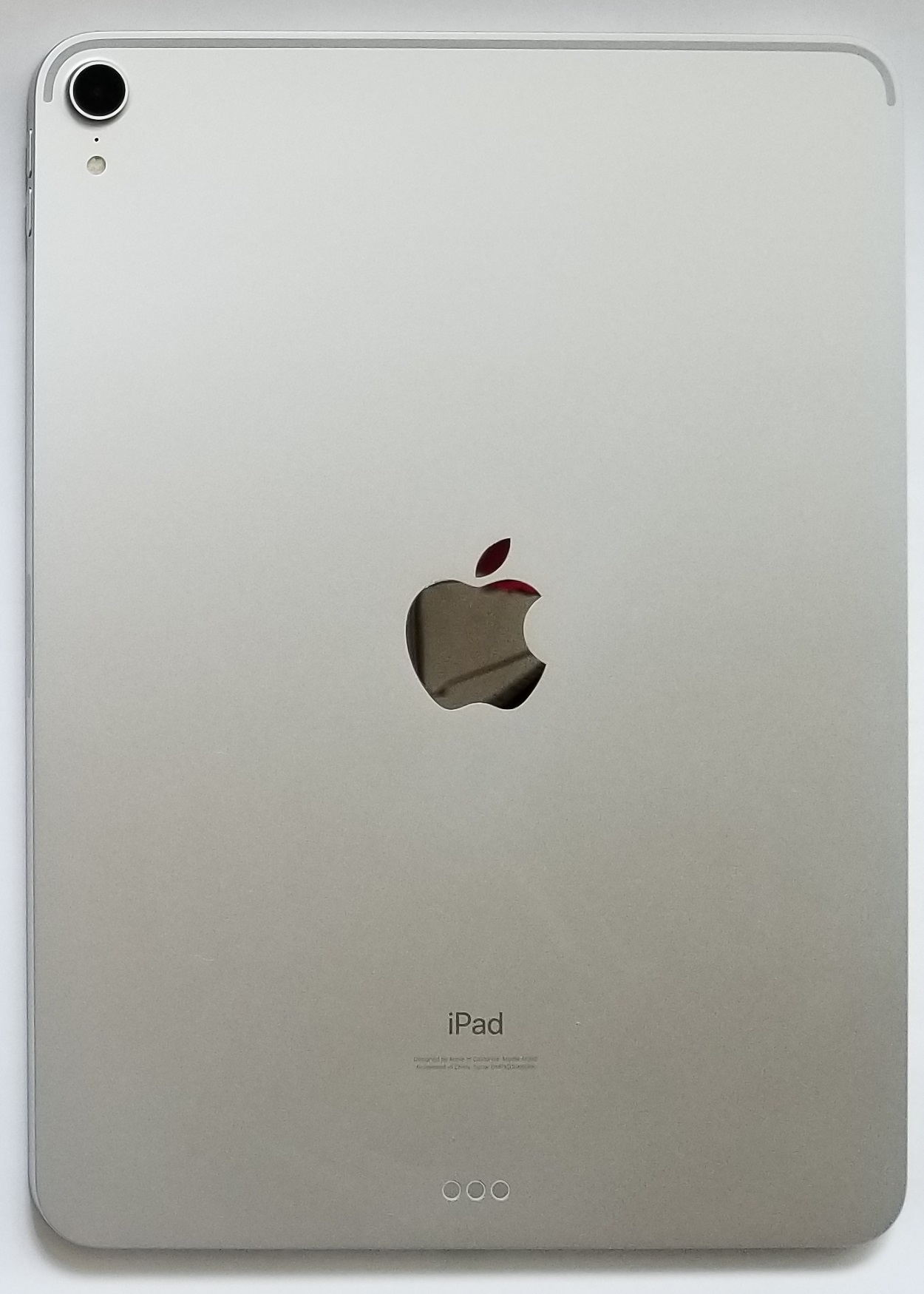
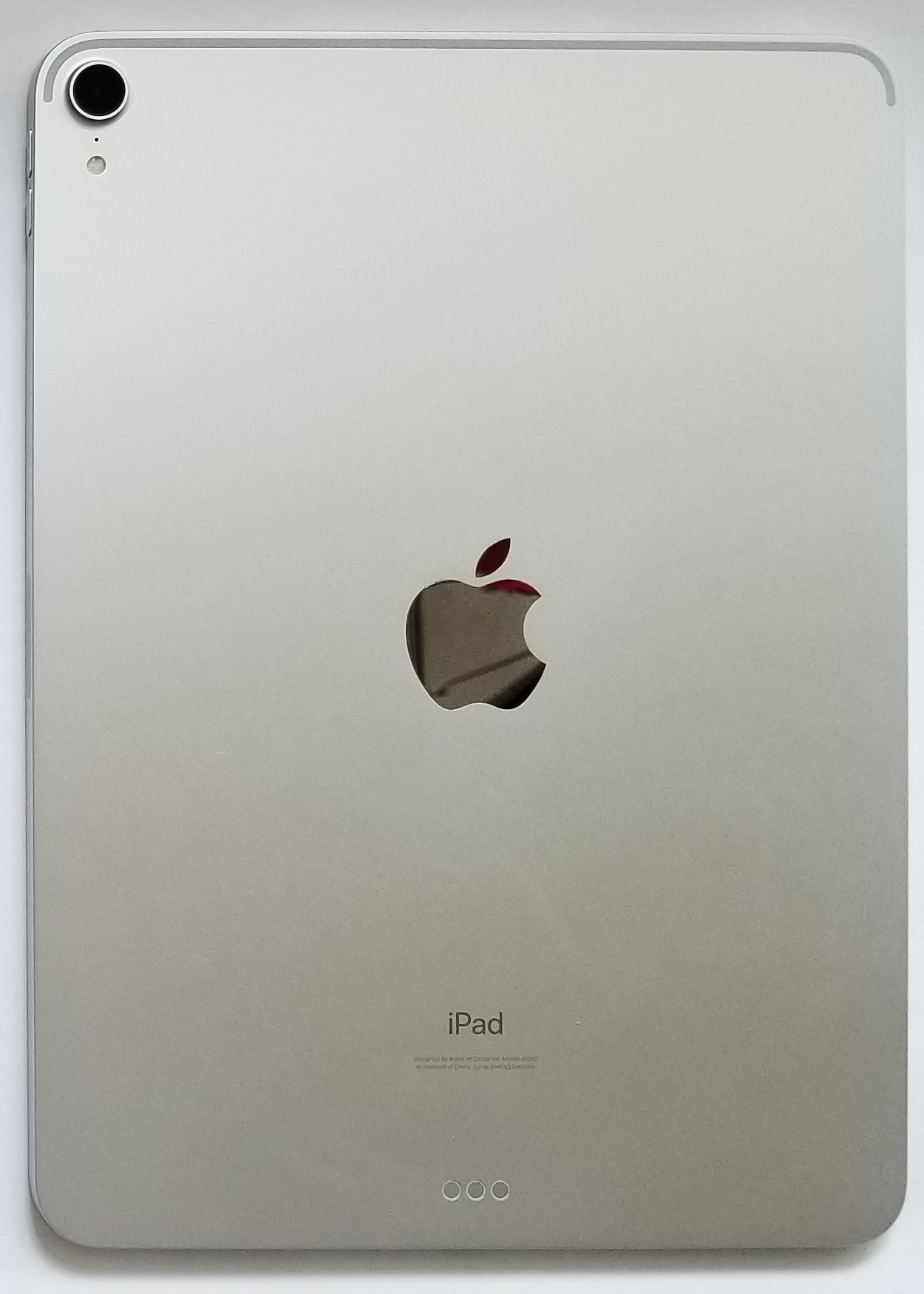
Reference photos of iPad hardware (Wikimedia Commons). Current models share the same flat-edge design language.

Apple Pencil and keyboard compatibility
Accessories are where Apple quietly segments the lineup. The wrong pairing is money wasted — Pencil 2 does not work on any current iPad, and Pencil Pro does not work on the A16.
| iPad | Apple Pencil | Keyboard | Notes |
|---|---|---|---|
| iPad (A16) | Apple Pencil (USB-C) — $79; Apple Pencil (1st gen) — $99 | Magic Keyboard Folio — $249; any Bluetooth keyboard | No Pencil 2 or Pencil Pro support. Charging via USB-C or the awkward Lightning pairing for Pencil 1. |
| iPad Air (M4) | Apple Pencil Pro — $129; Apple Pencil (USB-C) — $79 | Magic Keyboard for iPad Air — from ~$269 | Pencil Pro adds squeeze, barrel roll, haptics, and hover. Best stylus experience below the Pro line. |
| iPad Pro (M5) | Apple Pencil Pro — $129; Apple Pencil (USB-C) — $79 | Magic Keyboard for iPad Pro — $299 (11") / $349 (13") | The full-fat accessory stack. Magic Keyboard adds a trackpad and floating hinge that basically makes it a laptop. |
| iPad mini (A17 Pro) | Apple Pencil Pro — $129; Apple Pencil (USB-C) — $79 | No first-party keyboard case; use Bluetooth keyboards | Pencil Pro on an 8.3" slate is a superb field-notebook combo. |
Kenyan accessory prices track roughly 1.4–1.6× the US list price after shipping and duty. Genuine Apple Pencil Pro units commonly retail around KES 18,000–24,000 locally; third-party styluses from Anker/ESR (~KES 4,000–8,000) are decent for notes but lack pressure sensitivity for art.
Wi-Fi vs cellular in Kenya: the eSIM reality
Every current iPad cellular model is eSIM-only — there is no physical SIM slot. In Kenya, Safaricom supports eSIM, but provisioning a data-only eSIM for a tablet is less straightforward than for a phone, and not every shop agent knows the process. Confirm activation works before paying the ~$150 cellular premium.
The pragmatic answer for most Kenyans: buy Wi-Fi and hotspot from your phone. Safaricom 4G coverage is broad, data bundles are cheap relative to a hardware premium, and your phone is already on you. Cellular makes sense for field professionals, delivery logistics, and people whose iPad is a primary work device in the field.
Buy Wi-Fi if…
- You mostly use it at home, campus, office, or café Wi-Fi
- Your phone has a decent data bundle for hotspotting
- You want the cheapest entry into the lineup
Buy cellular if…
- You do field work — surveys, inspections, clinical rounds
- You travel frequently and need always-on connectivity
- You've confirmed eSIM data provisioning works with your carrier
Which iPad for whom?
Students (university & college)
iPad (A16) 128GB or iPad Air M4
For notes, PDFs, Zoom classes, and assignments the A16 is enough — pair it with a Pencil (USB-C) and a cheap Bluetooth keyboard. If your course involves design, engineering, or you'll keep it 5+ years, the Air M4's 12GB RAM and Apple Intelligence support future-proof it.
Working professionals
iPad Air M4 11" + Magic Keyboard
iPadOS 26 windowing plus the Magic Keyboard handles email, Docs, Sheets, and presentations well. Choose the cellular (eSIM) model only if you routinely work away from Wi-Fi — Safaricom hotspot from your phone covers most people.
Creatives & designers
iPad Pro M5 + Pencil Pro
Procreate, Affinity, LumaFusion, and Nomad Sculpt genuinely benefit from the Tandem OLED and M5. The Air M4 is the value alternative — same Pencil Pro, slightly weaker display.
Portability-first buyers
iPad mini A17 Pro
Reading, annotation, field data capture, and travel. It's the only iPad you can use standing in a crowded matatu without a second hand.
Kids & family shared device
iPad (A16) 128GB
The cheapest iPad still gets years of iPadOS updates, has Touch ID, and survives family duty with a decent case. Don't overspend here.
Buying a used or refurbished iPad in Kenya
The second-hand iPad market in Nairobi is deep — UK and US corporate offloads, Jumia renewed listings, and specialist refurb shops all compete. A used iPad Air M2/M3 or iPad Pro M1/M2 often beats a new base iPad on both price and capability. But the market has traps. Work through this checklist before any money moves:
1. Check the model number against Apple's list
In Settings → General → About, match the model number (the 'A'-prefixed code and the iPadXX,X identifier) to Apple's official 'Identify your iPad model' support page. Nairobi shops sometimes sell older 9th/10th-gen iPads marketed as 'latest'. Know exactly which chip you're paying for.
2. Verify iCloud/Activation Lock is removed
The seller must sign out of Apple Account and erase the device in front of you. If 'Find My iPad' is still on at handover, walk away — an activation-locked iPad is a brick.
3. Battery health and cycle count
iPads don't show battery health in Settings like iPhones do. Ask the seller to run a diagnostic (coconutBattery on a Mac, or a third-party tool) — or at minimum, test whether it holds charge under video playback. Bulging or rapid drain means negotiating a discount or skipping.
4. Screen and lamination check
Look for dead pixels, white spots, touch dead zones (draw across the whole screen in a notes app), and lamination separation on older Air/Pro models. Check the display at full brightness against a white page.
5. Ports, buttons, cameras, and speakers
Charge it on the spot, test the USB-C/Lightning port for wobble, run both cameras, play audio on all speakers, and confirm Touch ID/Face ID enrolls your biometrics — a failed Face ID module kills resale value.
6. Cellular model band compatibility
US-imported cellular iPads are eSIM-only. Confirm your carrier supports iPad eSIM data plans before paying the cellular premium — Safaricom eSIM support exists but device provisioning for tablets should be verified in-store first.
7. Warranty and return window
Reputable refurb sellers on Moi Avenue / Kimathi Street and online stores typically offer 3–6 months. Get it in writing on the receipt with serial number recorded. No receipt, no deal.
Price sanity check: a “used iPad Pro” listed at KES 25,000 is almost certainly a 2018-or-older unit, a base iPad dressed up, or a scam. Cross-check the model number on Apple's identification page before negotiating.
FAQs
Which iPad should a Kenyan student buy in 2026?
For most students, the iPad (A16) at an estimated KES 48,000–62,000 is the right call — it handles notes, research, and video lectures comfortably. If your degree involves design, engineering, or heavy multitasking, the iPad Air M4 adds the M4 chip, 12GB RAM, and Apple Intelligence for roughly KES 85,000–105,000.
Is 128GB enough storage on an iPad?
Yes for most users — notes, documents, streaming, and a reasonable photo/app library fit comfortably in 128GB. Choose 256GB if you shoot lots of 4K video, download large games, or work with big Procreate/video project files. iPads can't be upgraded later, so buy for your heaviest realistic use.
Should I buy the cellular iPad model in Kenya?
Only if you regularly work where Wi-Fi is unavailable. Cellular iPads cost about $150 (~KES 20,000+) more and current models are eSIM-only — confirm your carrier can provision a data-only eSIM for a tablet before paying extra. For most buyers, hotspotting from a Safaricom/Airtel phone is cheaper and simpler.
Does the iPad (A16) support Apple Intelligence?
No. The A16 iPad lacks the memory and neural performance required for Apple Intelligence. If AI writing tools, notification summaries, and on-device Siri upgrades matter over the device's lifespan, choose the iPad Air M4, iPad Pro M5, or iPad mini A17 Pro instead.
Are used or refurbished iPads safe to buy in Nairobi?
Yes, if you vet them properly: verify Activation Lock is removed, check the exact model/chip, test the screen, ports, battery, and biometrics, and buy only with a written warranty and receipt. Ex-corporate and UK/US imports dominate the market — a clean iPad Air M2/M3 refurb can undercut a new A16 while outperforming it.
iPad or laptop for university in Kenya?
If your coursework is browser, documents, and notes — an iPad with a keyboard works and is lighter. If you need full desktop apps (statistical software, IDEs, engineering tools, some exam portals), a laptop is safer. Many Kenyan students pair a budget iPad for class notes with a refurbished business laptop for assignments.
Sources
- Apple Newsroom: iPad Air with M4 announcement (March 2026)
- Apple Support: iPad Pro 11-inch (M5) tech specs
- Apple Support: iPad Pro 13-inch (M5) tech specs
- Apple: iPad 11-inch (A16) technical specifications
- Apple Support: iPad mini (A17 Pro) tech specs
- Apple Newsroom: iPad mini A17 Pro announcement (October 2024)
- The Verge: M5 iPad Pro pricing and October 22, 2025 release